

Disclaimer: This article is for educational purposes only and does not replace professional medical advice. If you or someone you love is experiencing a mental health emergency, call 988 (Crisis Lifeline) or 911 immediately.
Can annual exams detect serious conditions early? The short answer is yes. Even in many cases, they can be lifesaving. An annual physical exam is more than a routine checkup; it is a proactive approach to preventive healthcare designed to identify risk factors, subtle symptoms, and early warning signs before they progress into serious disease.
Health screenings and annual exams can help detect conditions such as high blood pressure, diabetes, high cholesterol, thyroid disorders, heart disease, and even certain cancers in their earliest stages.
Whether you are managing chronic conditions or feeling completely healthy, scheduling a yearly physical exam ensures your health is monitored consistently and strategically. This guide will explore the need for annual exams for serious conditions, how annual screenings can benefit, and conditions that can be diagnosed with an annual exam.
Early detection through annual screenings has transformed outcomes for many diseases. When caught in their earliest stages, conditions that might otherwise be fatal often become manageable. However, not all serious conditions lend themselves to early detection through routine screening, and understanding these distinctions helps set realistic expectations about what your annual exam can accomplish.
Even without illness, certain patterns signal that you shouldn’t skip your annual exam this year:
Hypertension affects nearly 47% of American adults, yet most people experience zero symptoms. A routine blood pressure check can identify this risk immediately. Patients caught early can often control hypertension through lifestyle changes alone, avoiding the heart attacks, strokes, and kidney failure that follow years of unmanaged pressure.
A lipid panel ordered during your annual exam identifies elevated cholesterol and triglycerides before they ever produce symptoms. Detecting high cholesterol at 40 rather than 60 gives patients decades to intervene through diet, medication, and lifestyle.
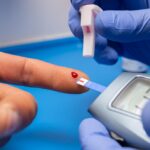
Prediabetes affects approximately 96 million American adults. Annual fasting glucose and hemoglobin A1c tests detect diabetes in its earliest stages, a critical window when lifestyle interventions can prevent or significantly delay progression. Early treatment protects the eyes, kidneys, nerves, and cardiovascular system from the cumulative damage that elevated blood sugar causes over time.
Kidney disease progresses through multiple stages silently before any symptoms appear. Routine bloodwork, including creatinine and BUN levels, during annual physicals reveals early declines in kidney function, when management through blood pressure control, dietary changes, and medication adjustments can slow or halt progression.
| Cancer Type | Screening Method | Early-Stage Survival Rate |
| Colorectal | Colonoscopy (age 45+) | 90%+ |
| Breast | Mammogram (age 40+) | 99% |
| Cervical | Pap smear + HPV test | Nearly 100% |
| Skin | Visual examination | 99% (melanoma, localized) |
| Lung (high-risk) | Low-dose CT scan | Significantly improved |
TSH blood tests identify hypothyroidism and hyperthyroidism before symptoms escalate into serious complications, including heart problems, infertility, osteoporosis, and worsening mental health.
An annual exam is designed to detect serious health conditions early, before symptoms appear. It focuses on preventive screening and risk assessment.
During your visit, you can expect:
These steps help identify early signs of heart disease, diabetes, hormonal imbalances, and other chronic conditions, supporting timely treatment and better long-term health outcomes.
Early detection doesn’t just improve outcomes. Early detection and annual physicals fundamentally change the nature of treatment.
It converts life-threatening into manageable. Stage 1 breast cancer has a 99% five-year survival rate. Stage 4 drops to 29%.
It reduces the treatment burden. Conditions caught early often require less aggressive and less costly intervention.
It protects the quality of life. Early-stage treatment typically means fewer side effects, shorter recovery times, and less disruption to daily life.
It extends time. A 2019 review in The Lancet found that regular health checkups were associated with increased detection and improved treatment of hypertension and hypercholesterolemia. Detecting them early directly extends life expectancy.
Honest preventive care means acknowledging what routine exams cannot yet reliably catch:
Can annual exams detect serious conditions early? Yes. Annual exams are a systematic approach to applying evidence-based screening at appropriate intervals for maximum benefit.
The key is viewing annual preventive care as an investment in your future rather than a chore to check off your list. Each visit represents another opportunity to catch a developing problem before it becomes serious, to modify risk factors before disease develops, and to create a health trajectory that leads to many more healthy years ahead.
Blood pressure, lipid panel, A1C, complete blood count, and age-appropriate cancer screenings are most critical.
Most insurance plans cover preventive screenings at 100%. Check with your provider for more accurate details.
Annual physical exams can detect high blood pressure, diabetes, high cholesterol, heart disease, thyroid disorders, anemia, and certain cancers through routine screenings and blood work.
Most annual physical examinations include routine blood tests to assess cholesterol levels, blood glucose, thyroid function, kidney function, and other markers of serious health conditions.
It’s recommended for most adults to schedule a yearly physical exam, though frequency may vary based on age, medical history, and chronic disease risk factors.
Yes. Many serious health conditions develop without symptoms. Routine medical checkups ensure early detection before complications occur.
A preventive visit focuses on screenings and overall health monitoring, while a sick visit addresses specific symptoms or immediate medical concerns.

Dr. Priya Bayyapureddy, MD is a board certified Internal Medicine doctor with over 20 years of experience in primary care Internal Medicine. Dr. Bayyapureddy completed her Internal Medicine residency at Emory University School of Medicine and internship at University of Tennessee College of Medicine at Chattanooga.

Recent Post