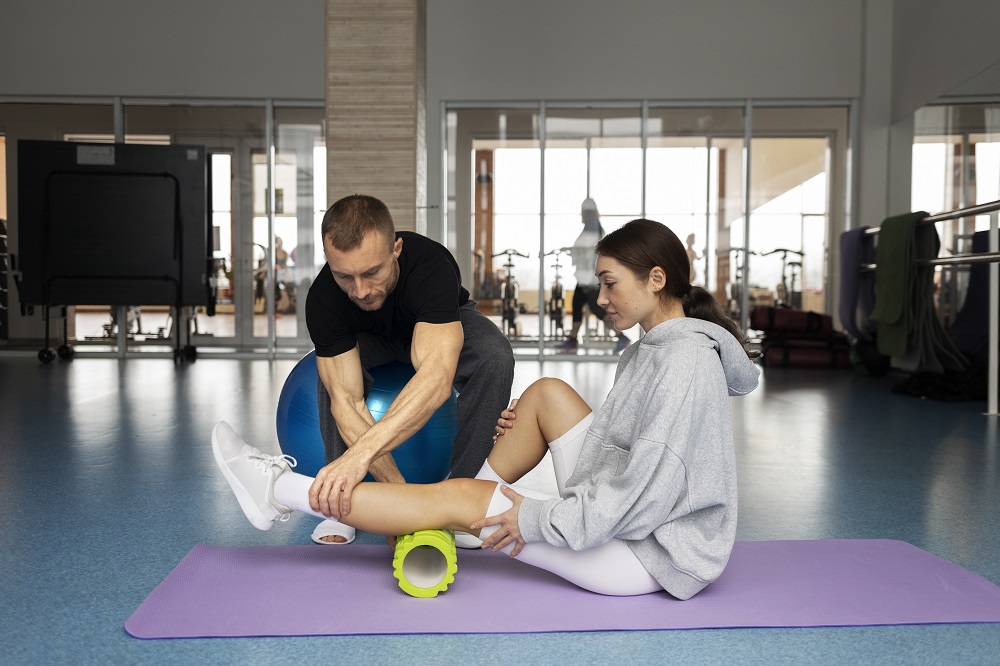


Whether you’re gearing up for a new sports season, joining a school team, or participating in a recreational league, a sports physical is an important step in protecting your health and performance. These evaluations help identify any underlying medical conditions, assess your overall fitness, and ensure you’re ready to safely participate in athletic activities.
If you’ve recently searched for a sports physical near you, you’re likely looking for a convenient way to meet school or league requirements while gaining valuable insights into your health.
In this guide, we’ll explain what happens during a sports physical, why it matters for athletes of all ages, and how it can help prevent injuries and support peak performance throughout the season.
A sports physical, also known as a pre-participation physical examination (PPE), is a medical evaluation designed to determine whether an athlete is healthy enough to safely participate in sports and physical activities.
It helps identify any medical conditions, previous injuries, or health concerns that could affect athletic performance or increase the risk of injury.
During a sports physical, a healthcare provider reviews your medical history, including past illnesses, surgeries, medications, allergies, and family health history. The exam also typically includes checking vital signs, vision, heart and lung function, flexibility, strength, posture, and overall physical fitness.
Sports physicals are often required by schools, sports leagues, and athletic organizations before participation. More importantly, they provide an opportunity to address health concerns early, receive guidance on injury prevention, and ensure athletes are prepared for a safe and successful season.
The PPE is a standardized medical evaluation designed to identify health conditions, cardiac, musculoskeletal, neurological, or otherwise, that could place an athlete at increased risk during sport participation.
The American Academy of Pediatrics (AAP) co-authors the PPE monograph with multiple medical societies and recommends it be completed at least six weeks before the first preseason practice, specifically to allow time for any follow-up evaluation before the season begins.
It’s not a general health check. It’s a focused, sport-specific assessment.
| Aspect | Sports Physical (PPE) | Annual Physical / Wellness Visit |
| Primary purpose | Clear athlete for safe sports participation | Comprehensive health assessment and preventive care |
| Focus areas | Cardiovascular, musculoskeletal, concussion history, sports-specific risk | Overall health, immunizations, growth and development, chronic disease management |
| Required by | School, sports league, or athletic organization | Recommended annually by health guidelines |
| Satisfies school sports requirement? | Yes | Not always (check with your school or league) |
| Chronic condition management | Limited (refers out if needed) | Full chronic care management included |
| Immunization review | Not typically included | Yes (standard component) |
| Recommended separately? | Yes (ideally a focused appointment) | Yes (both serve different purposes) |
Sometimes, yes. Many primary care physicians can combine the sports physical with the annual wellness visit, which the American Academy of Family Physicians (AAFP) notes is appropriate when both are due around the same time.
Medical History Review
The history form, typically completed by the athlete and parent before the appointment, screens for the conditions most likely to affect safe sports participation. Key areas include:
A sports physical includes an assessment of your cardiovascular health to help identify any potential heart-related concerns before participating in athletic activities. Your provider will check your heart rate, blood pressure, and listen to your heart for unusual sounds or rhythms.
They may also ask about symptoms such as chest pain, shortness of breath, dizziness, fainting episodes, or a family history of heart disease. This screening helps ensure your heart can safely handle the physical demands of sports and exercise.
This portion focuses on movement and injury risk by assessing:
For athletes returning from a significant injury, this assessment determines whether recovery is sufficient for full participation, or whether a more gradual return or a physical therapy clearance is needed first. For more on how prior injuries are assessed and managed, see common sports injuries and how they’re treated.
Back and spine screening is part of the musculoskeletal component, particularly for athletes with any history of back pain or prior injury. If back symptoms are present, back pain after exercise covers what evaluation and follow-up look like.
The PPE screens for conditions that could make sports participation unsafe, not conditions that automatically disqualify an athlete. That distinction matters. The goal is to keep athletes safe, not to keep them on the sidelines.
Conditions that may affect clearance or require further evaluation include:
Finding something during a sports physical typically leads to one of two outcomes: a referral for more information (a cardiology appointment, an MRI, a follow-up visit) or a recommendation for managed participation (cleared with restrictions, or cleared with a treatment plan in place). Permanent disqualification from all sports is rare and typically reserved for specific high-risk cardiac diagnoses.
This is exactly why scheduling six weeks before the season matters. It creates space for that follow-up to happen before the first game, not during it.
Our team will walk you through any next steps clearly and help coordinate any additional evaluation needed, without leaving you to figure it out alone.
What you bring and share at the appointment directly affects the quality of the exam. Come prepared with:
The more honest and detailed the history form, the more useful the exam. Athletes who minimize prior symptoms to “pass” the physical are working against the point of doing it.
In Georgia, a sports physical is required annually; it must be completed within the school year it covers and cannot carry over from a prior year. Even when not required by a school or organization, a sports physical can provide valuable insight into an athlete’s overall health and readiness for physical activity, helping support a safer and more successful season.
Sports physicals for student athletes, adult recreational athletes, and workers needing occupational clearance are available at all six Windermere Medical Group locations across North Georgia.
Providers at WMG perform thorough, comprehensive sports physicals, not rushed mass-screening events. Exams are conducted by board-certified primary care physicians and nurse practitioners who are familiar with the full PPE monograph standards and take cardiac history and musculoskeletal screening seriously.
Cumming| Canton | Gainesville | Baldwin | Alpharetta | Lawrenceville
Deadline-driven families know the drill: the form is due Friday, sports start Monday. Same-day and next-day appointments are available at most WMG locations when scheduling allows, specifically to accommodate the real-world timing of sports seasons.
Book your sports physical appointment at the location nearest you. Find all locations across North Georgia.
Whether the season starts in three weeks or you just want to get it done before the summer rush, Windermere Medical Group has same-day and next-day availability at locations in Cumming, Canton, Gainesville, Baldwin, Alpharetta, and Lawrenceville.
A sports physical, formally the pre-participation physical examination (PPE), evaluates whether an athlete can safely participate in sport. It screens for cardiac, musculoskeletal, and neurological conditions that could increase risk during athletic activity. Schools and leagues require it to protect athlete safety.
No. A sports physical focuses specifically on safety for sports participation, cardiac history, musculoskeletal assessment, concussion history, and sports-specific risks. An annual wellness visit covers comprehensive health, immunizations, and chronic disease management. Both serve important but different purposes.
It checks for conditions that could affect safe participation in sports: cardiac risk factors, unhealed prior injuries, concussion history, asthma, high blood pressure, and overall musculoskeletal readiness for the sport’s demands.
The completed school or league sports physical form, insurance card and ID, medication list, any relevant medical records, glasses or contacts if worn, and, for female athletes, menstrual history information.
Usually, further evaluation, not automatic disqualification. Most findings lead to referral for additional testing or management before clearance is given. Permanent disqualification is rare and sport-specific.
Annually in Georgia. Schedule in spring or early summer, not the week before the season starts, to allow time for any follow-up if needed.
Coverage varies by plan. Many insurance plans cover sports physicals as preventive care visits. Confirm with your specific insurance carrier before the appointment.
Core strengthening, gradual load progression, movement quality over quantity, dynamic warm-up routines, and adequate sleep are the most consistently supported strategies. Addressing hip mobility and posterior chain flexibility significantly reduces compensatory lumbar stress.
Dr. Priya Bayyapureddy, MD is a board certified Internal Medicine doctor with over 20 years of experience in primary care Internal Medicine. Dr. Bayyapureddy completed her Internal Medicine residency at Emory University School of Medicine and internship at University of Tennessee College of Medicine at Chattanooga.

Recent Post