The landscape of primary care has transformed dramatically over the past few years. What was once an emergency response to a global pandemic has evolved into an integrated care delivery model that’s here to stay. Telehealth now represents a fundamental shift in how patients access healthcare, offering convenience, efficiency, and quality care without the traditional barriers of time and distance.
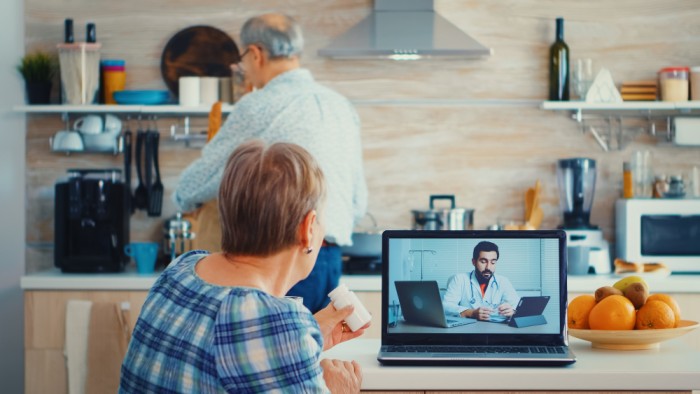
Primary care telemedicine enables patients to receive care from their primary care provider via secure video or telephone visits. Virtual primary care visits are most appropriate for follow-up care, medication management, monitoring of chronic conditions, mental health support, and non-urgent concerns that do not require an in-person exam. When used appropriately, primary care telemedicine improves access, convenience, and continuity of care.
Telehealth has maintained significant momentum well beyond the pandemic years. Recent data from the CDC indicate that more than one in four medical specialists use telehealth for at least half of their patient visits, whereas primary care physicians have strategically integrated virtual visits into their practice models.
Primary care telemedicine refers to the delivery of primary care services via virtual visits rather than in-person office appointments. These visits are conducted via secure video platforms or phone calls and are designed to support routine care, follow-ups, and ongoing health management. Primary care telemedicine does not replace traditional care; instead, it extends access to a trusted provider when a physical exam is not required.
For patients in Georgia, telemedicine in primary care helps reduce barriers such as travel time, missed work, caregiving responsibilities, and long wait times. Because care is delivered by an established primary care provider, telemedicine maintains continuity and enables decisions to be made based on a patient’s medical history and prior test results.
Primary care telemedicine has become an essential part of modern healthcare because it solves real-world access challenges. Many patients delay care due to work schedules, transportation issues, or difficulty finding appointment availability. Telemedicine removes these obstacles while preserving the provider-patient relationship.
In primary care, consistent follow-up is key to long-term health. Telemedicine facilitates engagement in care between in-person visits, helping providers identify issues earlier and adjust treatment plans proactively. For many Georgia patients, telemedicine supports better adherence to care plans and reduces reliance on urgent care for non-emergency issues.
Primary care telemedicine is most effective when medical decisions can be made through conversation, medical history, and existing data rather than a hands-on exam. Understanding when virtual visits are appropriate helps patients use telemedicine safely and confidently.
Telemedicine is most effective for non-urgent concerns, follow-up visits, and ongoing care management. In these situations, providers can assess symptoms, review progress, and adjust care plans without requiring an office visit.
Telehealth has proven particularly effective for managing chronic conditions. Patients with diabetes, hypertension, heart disease, and respiratory conditions benefit significantly from virtual monitoring and consultations.
Virtual visits are ideal for treating common acute conditions that don’t require physical examination or procedures. These include:
Routine follow-up appointments are perfectly suited for telehealth. After an initial in-person visit establishes the patient-provider relationship and baseline health status, subsequent check-ins can often be conducted virtually. This includes:
Mental health services have thrived in the telehealth environment. Virtual consultations for anxiety, depression, stress management, and behavioral health concerns often feel more comfortable for patients who can connect from the privacy of their own homes. The familiar environment can help patients open up more easily during therapy sessions.
While some preventive services require in-person visits for physical examinations and screenings, many aspects of preventive care work well virtually:
While telehealth offers tremendous benefits, certain situations require traditional in-person care:
Understanding the role of primary care telemedicine helps patients choose the right level of care. Telemedicine is designed for non-urgent issues that can be safely evaluated remotely.
Urgent care and emergency services are reserved for conditions that require immediate or hands-on treatment.
Telemedicine visits are most effective when patients are prepared. Simple preparation ensures better communication and more productive visits. Preparation enables providers to make informed decisions and maximize the value of the appointment.
Preparation tips include:
At Windermere Medical Group, we understand that quality healthcare should be accessible and convenient. Our comprehensive telehealth services are designed to meet the diverse needs of our patient community, offering the same exceptional care you’d receive during an in-person visit.
We provide telehealth services for a wide range of primary care needs, including:
Our experienced primary care providers are equipped with the latest telehealth technology to ensure seamless, secure, and effective virtual visits. We maintain the same standard of comprehensive care whether you’re sitting in our office or connecting from your living room.
Lawrenceville residents can now access virtual healthcare through Windermere Medical Group’s comprehensive telehealth services. Our Lawrenceville telehealth services are designed with your community in mind:
Whether you’re located near Lawrenceville’s historic downtown, the Sugarloaf area, or anywhere throughout Gwinnett County, our virtual care services bring expert primary care directly to you.
The integration of telehealth into primary care represents more than just a technological advancement; it reflects a fundamental shift toward patient-centered, accessible healthcare. As healthcare delivery continues to evolve, the hybrid model combining virtual and in-person care will become increasingly sophisticated.
For patients in Georgia, primary care telemedicine offers a practical, flexible way to stay connected with a trusted provider while balancing busy lives and ongoing health needs.
Telehealth delivers healthcare remotely using video technology, allowing patients to consult with providers from home via smartphone, tablet, or computer.
No. Physical exams, testing, and procedures still require in-person visits.
Yes, healthcare providers use HIPAA-compliant, encrypted platforms to protect your personal health information during virtual visits.
Yes. Many chronic conditions are monitored through regular virtual visits combined with periodic in-person care.
Yes, telehealth appointments are typically scheduled with your established primary care provider for continuity of care.
Yes, follow-up visits are well-suited to telehealth, enabling providers to review progress and adjust treatment plans.
Dr. Priya Bayyapureddy, MD is a board certified Internal Medicine doctor with over 20 years of experience in primary care Internal Medicine. Dr. Bayyapureddy completed her Internal Medicine residency at Emory University School of Medicine and internship at University of Tennessee College of Medicine at Chattanooga.

Recent Post
Stay informed and be among the first to know
when appointments become available.