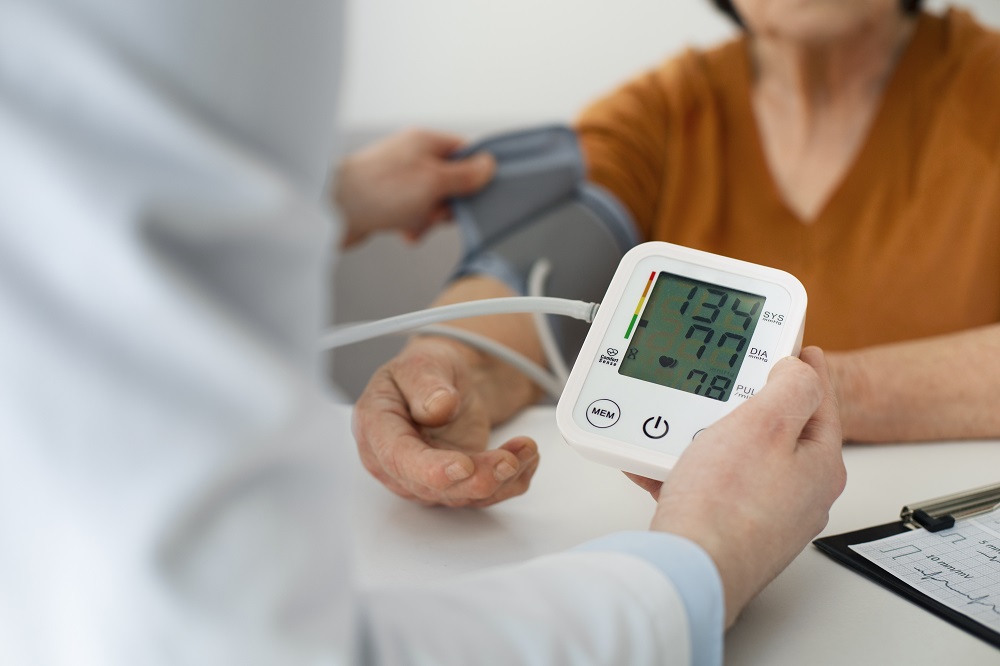


High blood pressure (hypertension) is a chronic condition where the force of blood against artery walls remains consistently elevated, typically 130/80 mmHg or higher. It often has no noticeable symptoms but significantly increases the risk of heart disease, stroke, kidney damage, and other serious health conditions. Hypertension is diagnosed through repeated blood pressure readings and is managed with lifestyle changes, regular monitoring, and medications when needed.
High blood pressure, medically known as hypertension, is one of the most widespread chronic conditions globally, and one of the most dangerous when left unmanaged.
Despite its prevalence, hypertension is often referred to as the “silent killer” because it can develop without noticeable symptoms while steadily damaging the heart, brain, kidneys, and blood vessels.
According to recent global estimates, over 1.3 billion adults worldwide live with hypertension. This figure control highlights a critical need for early detection, continuous monitoring, and structured management, primarily through primary care.
As a full-service family clinic offering both primary care and urgent care across Georgia, Windermere Medical Group focuses on early detection and evidence-based chronic disease management to stop the cardiovascular cascade before it starts.
Blood pressure is the measurement of the force of your blood pushing against the walls of your arteries. Each time your heart beats, it pumps blood into the arteries.
It’s a condition in which blood pressure consistently exceeds 130/80 mmHg, increasing strain on the arteries and the heart.
It is recorded as two numbers:
| Category | Systolic (mmHg) | Diastolic (mmHg) |
| Normal | <120 | <80 |
| Elevated | 120–129 | <80 |
| Hypertension Stage 1 | 130–139 | 80–89 |
| Hypertension Stage 2 | ≥140 | ≥90 |
Understanding the type of hypertension is crucial for effective treatment.
Contributing Factors:
Caused by an underlying medical condition.
Common Causes Include:
| Category | Systolic (mmHg) | Diastolic (mmHg) | Clinical Implication |
| Normal | Less than 120 | and Less than 80 | Maintain healthy habits. |
| Elevated | 120–129 | and Less than 80 | Lifestyle changes required. |
| Hypertension Stage 1 | 130–139 | or 80–89 | Risk-based medication evaluation. |
| Hypertension Stage 2 | 140 or higher | or 90 or higher | Immediate medical intervention. |
| Hypertensive Crisis | Higher than 180 | and/or Higher than 120 | Emergency Care Needed. |
Hypertension usually develops over time. While genetics play a role, the Metabolic Health Study suggests that environmental and lifestyle factors contribute to over 70% of cases in the United States.
Kidney Disease: The kidneys regulate fluid balance; when they are damaged, blood pressure inevitably rises.
Chronic Stress is recognized as a primary driver of “Resistant Hypertension.” Constant activation of the sympathetic nervous system keeps arteries constricted, leading to permanent damage.
Hypertension risk is influenced by both modifiable and non-modifiable factors.
Non-Modifiable Risk Factors
Modifiable Risk Factors
Notably, coexisting conditions like diabetes and high cholesterol significantly increase hypertension risk, reinforcing the importance of integrated cardio-metabolic care.
Diagnosing hypertension requires more than a single reading, as blood pressure can fluctuate throughout the day. Healthcare providers rely on multiple measurements and a complete health evaluation to ensure accuracy. This approach helps identify underlying causes and guides effective treatment planning.
Our team at Windermere Medical Group uses evidence-based protocols to provide accurate diagnoses and personalized care. Accurate diagnosis requires multiple readings over time.
Blood pressure can fluctuate due to:
Treatment is no longer just about “taking a pill.” It is a multi-pronged approach tailored to your biology.
Sodium Restriction: Aiming for less than 1,500mg daily for those with existing hypertension.
| Scenario | Service Required |
| Routine check-up or medication refill | Primary Care Appointment |
| Blood pressure 180/120+ with NO symptoms | Same-day Urgent Care Evaluation |
| High BP with headache, chest pain, or blurry vision | Emergency Department / 911 |
| New diagnosis or lifestyle counseling | Primary Care Appointment |
High blood pressure is manageable, but early action makes all the difference. Whether you need a routine screening or help managing a complex diagnosis, Windermere Medical Group is your partner in health.
Hypertension is usually a chronic condition that is managed, not “cured.” However, significant lifestyle changes can sometimes bring it back into the normal range without medication.
Yes. While temporary stress causes spikes, chronic stress keeps the nervous system overactive, which can lead to permanent, long-term hypertension.
Medications can work within hours or days, but lifestyle changes usually take 3-6 weeks of consistency to show significant results in your numbers.
Not necessarily. Many patients at Windermere who achieve significant weight loss or dietary improvements can taper or discontinue medications under supervision.
Yes. 140/90 is classified as Stage 2 Hypertension, requiring immediate medical management to prevent a heart attack or stroke.
Dr. Priya Bayyapureddy, MD is a board certified Internal Medicine doctor with over 20 years of experience in primary care Internal Medicine. Dr. Bayyapureddy completed her Internal Medicine residency at Emory University School of Medicine and internship at University of Tennessee College of Medicine at Chattanooga.
Recent Post