
Disclaimer: This article is for educational purposes only and does not replace professional medical advice. If you or someone you love is experiencing a mental health emergency, call 988 (Crisis Lifeline) or 911 immediately.
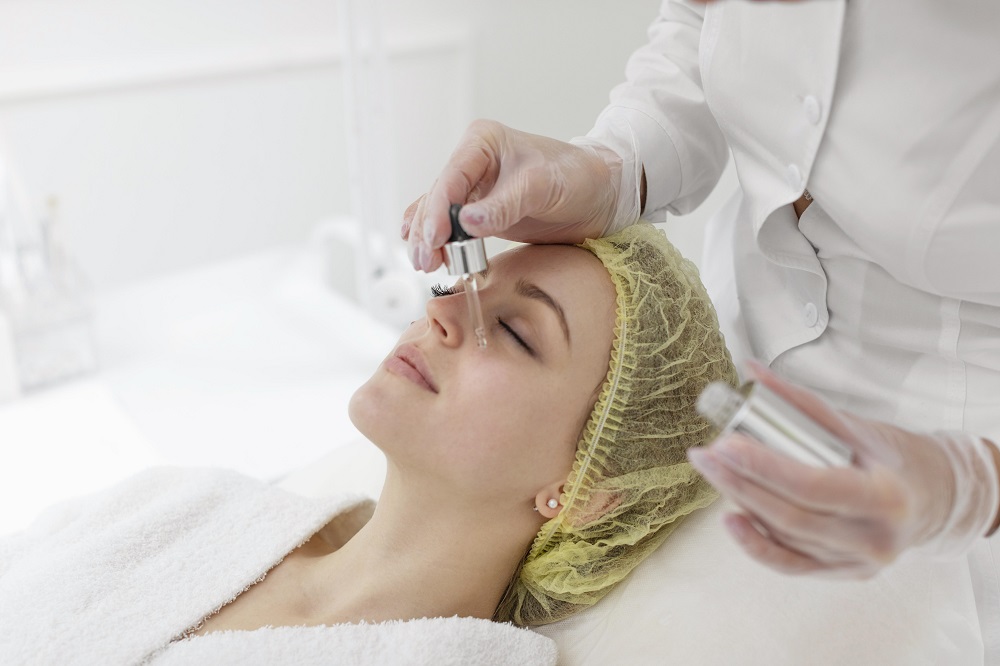
Aging is not a problem to be solved. But the visible changes it brings, loss of volume, skin laxity, uneven tone, deepening lines, are well within the reach of modern aesthetic medicine to address meaningfully, safely, and without surgery. The medical spa has become the primary setting where that work happens.
In 2026, the anti-aging treatment landscape is more sophisticated than it has ever been. Layered treatment protocols that combine energy devices, injectables, and medical-grade skincare can produce results that were, a decade ago, only achievable through surgical intervention. This guide walks you through every major category, what it does, how it works, and where it fits in a comprehensive approach to aging well.
The global non-surgical anti aging aesthetics market is projected to reach $14.3 billion by 2026, driven by energy devices and injectable collagen stimulators.
Effective anti aging treatment planning starts with understanding what’s actually happening in aging skin. The changes you see in the mirror are the surface expression of several simultaneous biological processes:
This is why no single treatment ‘fixes’ aging. A comprehensive protocol addresses multiple layers simultaneously, and the best medspa providers are those who can assess all of these dimensions and recommend accordingly.
Laser and light-based treatments remain among the most clinically validated anti-aging modalities. They work by delivering controlled energy to the skin, triggering a wound-healing response that stimulates the production of new collagen and elastin and improves vascular architecture. The result: firmer, clearer, smoother skin over weeks to months.
| Technology | Mechanism | Best For | Downtime |
| Fractional CO2 Laser | Ablative resurfacing with microscopic columns of injury | Deep wrinkles, scars, texture, and significant photoaging | 5-10 days |
| Erbium Laser | Ablative resurfacing with less heat than CO2 | Moderate resurfacing with faster recovery | 3-5 days |
| IPL / Photofacial | Broad-spectrum light targeting pigment and vessels | Sun damage, rosacea, diffuse redness, uneven tone | Minimal (1-2 days) |
| BBL (BroadBand Light) | Next-gen IPL; emerging evidence for gene-level photorejuvenation | Tone, texture, early aging; excellent for maintenance | Minimal |
| Non-Ablative Fraxel | Fractional laser without full surface ablation | Texture and mild resurfacing with less downtime | 2-4 days |
| Pico Laser | Ultra-short pulses targeting pigment with precision | Stubborn pigmentation, melasma, tattoo removal | Minimal |
For patients new to laser treatments, IPL and BBL are excellent entry points, with meaningful results, minimal downtime, and a strong safety profile across most skin tones. For patients with more significant texture concerns, acne scarring, or deep lines, fractional resurfacing offers more dramatic outcomes in fewer sessions.
As collagen and elastin decline, skin loses its ability to ‘spring back.’ Energy-based tightening devices address this by delivering heat energy to the deep dermis and underlying tissue, stimulating new collagen fiber formation and remodeling existing fibers. Results are gradual but genuine.
Radiofrequency Microneedling
This category combines the micro-injury stimulus of traditional microneedling with the collagen-heating effect of radiofrequency energy delivered through insulated needles. The dual mechanism produces both surface texture improvement and deeper structural remodeling, making it one of the most versatile anti-aging devices available.
Focused Ultrasound
Ultherapy delivers focused ultrasound energy to the SMAS layer, the same tissue layer addressed in surgical facelifts. It’s the only FDA-cleared device for non-surgical brow lifting and submental tightening. Results are subtle and take 3-6 months to fully develop but can last 1-2 years from a single treatment.
Monopolar & Bipolar Radiofrequency
Non-invasive RF devices heat the full dermis without needles, promoting collagen contraction and new synthesis. Lower intensity than RF microneedling, but no downtime makes them suitable for patients who cannot schedule recovery time.
Not all injectables are about immediate volume. A growing category of collagen biostimulators works by triggering the body’s own collagen production, producing gradual, natural-looking volume and structural support that develops over weeks and lasts for years.
| Biostimulator | Primary Mechanism | Onset of Results | Longevity |
| Sculptra (Poly-L-Lactic Acid) | Stimulates fibroblast activity and new collagen synthesis | 2-3 months after the final session | 2-3 years |
| Radiesse (CaHa) | Immediate volume + collagen stimulation via CaHA microspheres | Immediate + progressive over 3-6 months | 12-18 months |
| Hyperdilute Radiesse | Collagen stimulation without volumizing effect; spreads across a larger area | Progressive over 2-4 months | 12-15 months |
| PRF (Platelet-Rich Fibrin) | Autologous growth factor injection from the patient’s own blood | Gradually over 6-8 weeks | 6-12 months |
These treatments are particularly well-suited to patients in their late 30s through 60s who want to address volume loss and structural changes with results that develop gradually, avoiding the ‘sudden change’ look sometimes associated with filler.
Chemical peels remain one of the most cost-effective anti-aging modalities, offering measurable improvements in pigmentation, texture, and fine lines at a range of depths:
| Peel Type | Active Agents | Depth | Downtime | Best For |
| Superficial | Glycolic acid, lactic acid, mandelic | Epidermis only | None-1 day | Maintenance, dull tone, mild texture |
| Medium-Depth | TCA 20-35%, Jessner’s | Papillary dermis | 5-7 days | Pigmentation, mild-moderate wrinkles, and melasma |
| Deep | Phenol, high-concentration TCA | Reticular dermis | 2-3 weeks | Significant photoaging, deep lines, severe texture |
Peel depth should be matched carefully to the patient’s skin type, Fitzpatrick score, and treatment history. A properly trained medspa clinician will never apply a peel without this assessment.
The most effective approach to anti-aging at a medspa is sequential and layered. Here’s how a thoughtful protocol might be structured:
Aging may be inevitable, but how you handle it is not. Medical spa treatments blend advanced technology with expert care to soften fine lines, restore radiance, and enhance your natural features without surgery. From injectables to skin-renewing therapies, each solution is tailored to deliver subtle, refined results that feel like you, just more refreshed.
If you are looking for results that are both noticeable and natural, exploring professional med spa treatments could be your next step toward confident, healthy-looking skin.
Prevention is more effective than correction. Many providers recommend starting a medical-grade skincare routine in your late 20s.
There’s no single answer; a layered protocol combining skincare, energy devices, and injectables consistently outperforms any single treatment.
It depends on the modality. Neurotoxins last 3-6 months; fillers 6-24 months; laser results 1-3 years with maintenance.
Yes. RF microneedling is generally safe across all Fitzpatrick skin types, unlike some ablative lasers. Confirm with your provider.
Often, yes, many providers offer combination appointments. Your clinician will sequence treatments to maximize safety and results.
Dr. Priya Bayyapureddy, MD is a board certified Internal Medicine doctor with over 20 years of experience in primary care Internal Medicine. Dr. Bayyapureddy completed her Internal Medicine residency at Emory University School of Medicine and internship at University of Tennessee College of Medicine at Chattanooga.

Recent Post