

Windermere Medical Group

Sleep Apnea Symptoms: Signs You Should Get Tested Today

Sleep Apnea
| Created by: Katy Hanaford, FNP | Medically reviewed by: Priya Bayyapureddy, MD
Sleep Apnea Symptoms

Disclaimer: This article is for educational purposes only and does not replace professional medical advice. If you or someone you love is experiencing a mental health emergency, call 988 (Crisis Lifeline) or 911 immediately.

Most people who have sleep apnea don’t know they have it. That’s not an exaggeration; it’s the nature of the condition. Your breathing stops. Your brain briefly wakes you just enough to restart it. You fall back asleep. By morning, you remember none of it.

What you do remember is feeling exhausted. Again.

Research suggests that between 80 and 90 percent of people with obstructive sleep apnea haven’t been diagnosed. That’s tens of millions of people walking around tired, foggy, irritable, attributing it to stress, aging, or just life, while a treatable condition runs unchecked in the background.

This piece is about what sleep apnea actually looks like. Because the symptoms are real, recognizable, and worth acting on.

First: What's Happening During an Apnea Episode?

As you drift into deeper sleep, the muscles in your throat relax. In people with obstructive sleep apnea, they relax too much, narrowing or completely blocking the airway. Breathing stops. Blood oxygen levels begin to fall. Your brain, registering the drop, sends a signal that rouses you just enough to tighten those muscles and restart airflow.

This can happen 5 times an hour. Or 30. Or 80.

You rarely fully wake up. You might not snore dramatically every time. But your body is working hard all night, and when your alarm goes off, it doesn’t feel like you slept.

The symptoms fall into two categories: what happens at night, and what happens the next day.

Nighttime Symptoms of Sleep Apnea

These are the signs that occur while you’re sleeping. Many of them you’ll only know about because someone else noticed.

Loud, Persistent Snoring

Not all snoring is sleep apnea. But the kind linked to OSA tends to be:
  • Consistent most nights, not just when you’re sick or have had a drink
  • Loud enough to be heard through walls or from another room
  • Punctuated by pauses, followed by a gasp or snort as breathing restarts
If a partner or family member has mentioned your snoring more than once, that’s information worth bringing to your doctor.

Gasping or Choking Sounds During Sleep

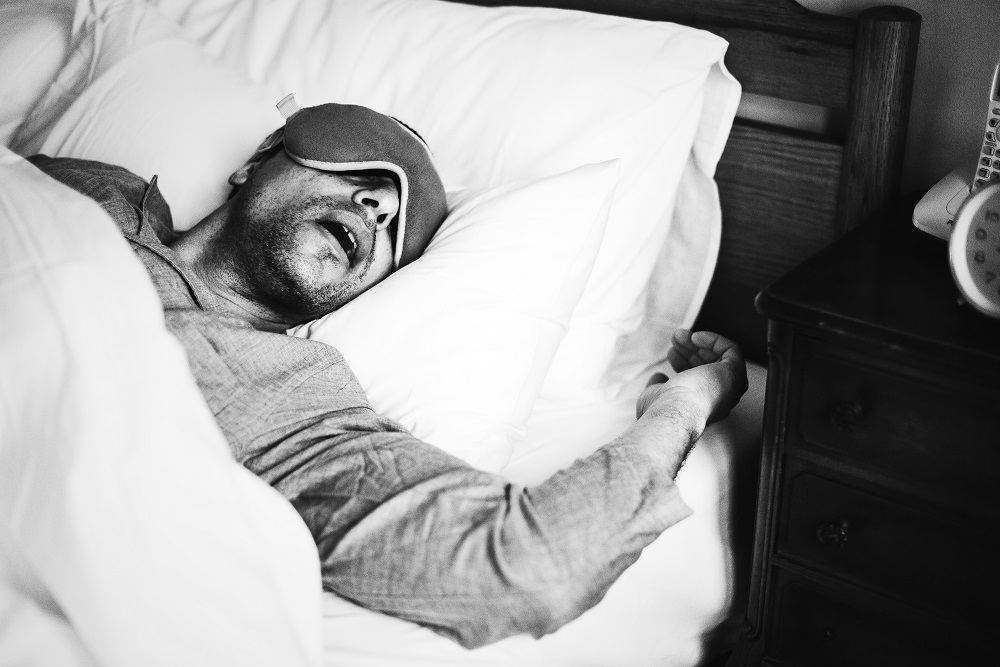
This is one of the most telling signs. A bed partner may describe watching you stop breathing for several seconds, followed by a sudden gasp, snort, or sound like you’re choking. That’s the airway reopening. Most people have zero memory of it happening.

Waking Up With a Dry Mouth or Sore Throat

When your airway is obstructed, your body compensates by breathing through your mouth. Waking up with a dry mouth, cracked lips, or a mildly sore throat on most mornings, especially when you aren’t sick, can indicate mouth breathing due to nighttime airway issues.

Morning Headaches

During apnea events, oxygen levels drop, and carbon dioxide rises. This causes blood vessels in the brain to dilate, producing a dull headache that’s there when you wake and typically clears within an hour or two. Regular morning headaches, particularly those that resolve on their own by mid-morning, are a symptom that is often missed.

Frequent Nighttime Urination (Nocturia)

This one surprises people. But there’s a direct physiological link. When breathing repeatedly stops during sleep, changes in chest pressure cause the heart to release a hormone that signals the kidneys to produce more urine.

Getting up two, three, or four times per night, and not because you drank a lot before bed, can actually be a sign of OSA rather than a bladder or prostate problem.

Restless, Fragmented Sleep

Tossing, turning, kicking, frequent position changes, your body is responding to the breathing disruptions even when your mind doesn’t register them consciously. If you wake up to a bed that looks like a battlefield, that’s relevant.

Daytime Symptoms of Sleep Apnea

The daytime symptoms of sleep apnea are where things get complicated. They overlap with thyroid conditions, depression, anemia, burnout, and half a dozen other things. People get misdiagnosed or told they’re just “stressed” for years before someone connects the dots back to sleep.

Exhaustion Despite Enough Hours of Sleep

This is the signature symptom. You slept seven or eight hours. You know you slept. But you’re dragging by mid-morning. You need caffeine just to function at a basic level. You could close your eyes in a meeting.

This isn’t ordinary tiredness. It’s persistent, disproportionate fatigue that doesn’t resolve with rest, because the sleep itself isn’t actually restorative.

Brain Fog and Cognitive Difficulties

Sleep is when the brain consolidates memories and clears metabolic waste. When sleep is fragmented dozens of times per night, even in ways you never consciously notice, that process breaks down.

The result can feel like:

  • Trouble finding words mid-conversation
  • Forgetting things you just read or heard
  • Difficulty following multi-step instructions
  • A general sense of mental slowness or being “off.”

A significant number of people with undiagnosed sleep apnea end up being evaluated for ADHD, early cognitive decline, or depression before sleep is investigated.

Irritability and Mood Instability

Sleep deprivation doesn’t just make you tired. It makes you reactive. Small frustrations land harder. Your patience runs thinner. You may feel more anxious, lower, or on edge in ways that feel somewhat out of character.

Chronic fragmented sleep affects the prefrontal cortex, the part of the brain responsible for emotional regulation. This isn’t a personality issue. It’s a physiological consequence of poor sleep.

Depression

The relationship between OSA and depression is well-documented and bidirectional; each makes the other worse. Sleep deprivation affects neurotransmitter regulation. The chronic physiological stress of repeated oxygen deprivation affects brain chemistry.

Some people are treated for depression for years without meaningful improvement, and then get diagnosed with sleep apnea, start treatment, and find their mood significantly shifts. That’s not a coincidence.

Falling Asleep at Dangerous Moments

This symptom warrants real urgency. If you’ve drifted at a red light, caught yourself dozing on the highway, fallen asleep mid-conversation, or had close calls while operating equipment, this isn’t just fatigue. It’s a medical symptom with real safety consequences.

People with untreated severe sleep apnea have a measurably higher rate of motor vehicle accidents. If this is happening to you, it’s time to act on it today.

Reduced Sex Drive and Sexual Dysfunction

Sleep affects hormone production, including testosterone. Chronic sleep fragmentation disrupts hormonal balance, often reducing libido in both men and women. Erectile dysfunction in men is also associated with OSA, through both hormonal pathways and the broader cardiovascular impact of the condition.

How Sleep Apnea Looks Different in Women

This matters enough to have its own section.

Sleep apnea has long been studied and diagnosed primarily in middle-aged, overweight men. That framing has left a lot of women without a diagnosis, because their presentation often doesn’t match the classic picture.

Common Presentation in MenCommon Presentation in Women
Loud, disruptive snoringPersistent fatigue and exhaustion
Gasping or choking soundsInsomnia, difficulty falling or staying asleep
Excessive daytime sleepinessDepression or anxiety
Observed breathing pausesFrequent morning headaches
 Restless legs at night

Women with OSA are more likely to have events concentrated in REM sleep, the sleep stage that occurs mainly in the second half of the night. If a test is cut short or a night of recording doesn’t capture the full sleep cycle, REM-dominant apnea can be missed.

Menopause is a significant turning point. Progesterone, a hormone that helps maintain upper airway muscle tone during sleep, drops substantially during and after menopause. That loss increases the likelihood of airway collapse during sleep. Women who develop new sleep complaints, fatigue, or mood changes around menopause should specifically ask their doctor about sleep apnea screening.

Research published in The Lancet Respiratory Medicine in 2025 projected a 65% relative increase in OSA prevalence among women by 2050. That’s more than 30 million affected women in the U.S., and the majority are currently undiagnosed.

If you’re a woman who has been told your fatigue, insomnia, or mood issues are just stress or hormones, and nothing has improved, ask about a home sleep study.

Sleep Apnea in Children: What It Looks Like

Children with sleep apnea often don’t act tired; they act hyperactive. Sleep deprivation in kids often leads to increased activity rather than drowsiness. Symptoms in children may include:
  • Consistent snoring (not just when sick)
  • Mouth breathing during the day
  • Behavioral problems or emotional outbursts
  • Difficulty paying attention in school, sometimes misdiagnosed as ADHD
  • Poor academic performance despite effort
  • Bedwetting (same nighttime pressure-hormone mechanism as in adults)
  • Sleeping in unusual positions, neck extended, sitting partially upright
  • Enlarged tonsils or adenoids
If a child snores most nights and has any of the above behavioral or academic signs, that combination is worth raising with their pediatrician.

The STOP-BANG Questionnaire: A Quick Self-Check

This is the 8-question screening tool doctors commonly use to assess OSA risk. You can run through it yourself.
Question Yes / No
Snoring: Do you snore loudly?
Tired: Do you feel tired, fatigued, or sleepy during the day often?
Observed: Has anyone seen you stop breathing while you sleep?
Pressure: Do you have high blood pressure, or are you being treated for it?
BMI: Is your BMI over 35?
Age: Are you over 50?
Neck: Is your neck circumference larger than 40 cm (about 15.7 inches)?
Gender: Are you male?
How to read your score:
  • 0-2 yes: Low risk
  • 3-4 yes: Intermediate risk
  • 5-8 yes: High risk
Two or more yes answers is enough to have a conversation with your doctor. Three or more generally support moving toward testing.

No Snoring, Normal Weight: Can You Still Have Sleep Apnea?

Yes. Both of these assumptions trip people up.

On snoring: Not everyone with OSA snores loudly. Some have partial airway obstruction that produces minimal sound. Others snore only in specific positions. Women are particularly likely to have sleep apnea without the loud, dramatic snoring usually associated with the condition.

On weight: Obesity is a significant risk factor, but it’s not a requirement. People of completely normal weight can and do have sleep apnea, driven by anatomical factors like jaw structure, tongue size, or natural airway shape.

Symptoms, not body type or snoring volume, should drive the decision to get tested.

Why Getting Tested Matters Beyond the Tiredness

Untreated sleep apnea doesn’t just make you tired. Over time, it affects nearly every system in the body.

Heart: OSA is an independent cardiovascular risk factor. The repeated cycle of oxygen deprivation and adrenaline-driven arousal stresses the heart and vascular system night after night. It’s strongly linked to hypertension, atrial fibrillation, coronary artery disease, heart failure, and stroke.

Metabolic health: Sleep apnea is associated with insulin resistance and type 2 diabetes. Disrupted sleep affects how the body regulates glucose and stress hormones.

Mental health: The connection to anxiety and depression is well-established. Treating sleep apnea often improves mood in ways that antidepressants alone haven’t.

Brain: Long-term untreated OSA is associated with accelerated cognitive decline. The brain needs deep, uninterrupted sleep to consolidate memory and perform restorative functions. Years of fragmented sleep have cumulative effects.

Daily life: People with untreated OSA report lower productivity, more conflicts in personal relationships, reduced physical capacity, and a measurably lower quality of life across almost every metric.

None of this has to be your story. Sleep apnea is treatable. But that starts with testing.

When to Make the Appointment

The answer is: sooner rather than later.

If you’ve recognized yourself in three or more of the symptoms described here, especially the fatigue, brain fog, or mood changes, that’s enough reason to bring it up at your next doctor’s visit. Or to schedule an appointment specifically to discuss it.

You don’t need symptoms to be “severe enough.” Mild and moderate sleep apnea carry real risks. Getting tested early means getting better sleep sooner, and reducing the downstream toll on your heart, your brain, and your daily functioning.

Getting Evaluated in North Georgia

Windermere Medical Group providers at their clinics in Cumming, Alpharetta, Canton, Gainesville, Lawrenceville, and Baldwin can evaluate sleep apnea symptoms, walk through STOP-BANG screening, and order a home sleep test, all in one appointment.

The process is designed to be straightforward. You discuss your symptoms. Your provider assesses your risk. If a home sleep test is appropriate, a portable monitoring device is arranged for you to use at home. No clinic stay. No overnight observation. Results come back to your provider, who reviews them with you and discusses next steps.

Same-day appointments are available at all locations. Virtual visits are also an option if you’d prefer to have the initial conversation from home.

Trusted Medical Care, Wherever You Are

With established offices in:

and convenient Same Day Clinic and Virtual Clinic options. Our providers deliver ongoing medical care for children, adults, and seniors, including preventive visits, annual physical exams, chronic disease management, Medicare-supported visits, psychiatric services, and more. We are committed to accessible, relationship-based healthcare and are currently accepting new patients across all locations. Looking for a trusted medical provider near you? Schedule your appointment today and experience care designed around your needs, in person or online.
Trusted Medical

Key Takeaways

  • Nighttime symptoms include snoring, gasping, dry mouth, morning headaches, nocturia, and restless sleep
  • Daytime symptoms, fatigue, brain fog, mood changes, falling asleep involuntarily, are often what finally bring people in
  • Women often present differently: more fatigue, insomnia, and mood disruption; less dramatic snoring
  • Children often present with hyperactivity and behavioral issues rather than tiredness
  • The STOP-BANG questionnaire is a useful starting point; two or more yes answers warrant a conversation
  • Not snoring loudly and having a normal BMI don’t rule out sleep apnea
  • Untreated OSA affects your heart, metabolism, brain, and quality of life over time
  • A home sleep test is a one-night test that your primary care doctor can order directly

FAQs:

Not always. Occasional, light snoring can be harmless and unrelated to sleep apnea. However, loud or frequent snoring, especially when accompanied by pauses in breathing, gasping sounds, or daytime sleepiness, is a significant warning sign that warrants evaluation.

Yes, sleep apnea can cause depression or anxiety. This connection is far more common than most people realize. Chronic sleep disruption from sleep apnea interferes with brain chemistry, emotional regulation, and cognitive function.

Daytime fatigue and brain fog are among the most consistently overlooked symptoms because they are so easily attributed to lifestyle, stress, a demanding schedule, or simply aging. Morning headaches are another commonly missed sign, frequently dismissed as tension headaches.

In most cases, no. For some patients, significant weight loss or a change in sleep position can meaningfully reduce OSA severity. However, sleep apnea very rarely resolves completely without intervention.

Many patients notice improvement within the first few weeks of effective treatment. Your WMG provider will monitor your progress and adjust your plan over time to ensure you are getting the maximum benefit from treatment.

About the Author

priya-bayyapureddy-md

Priya Bayyapureddy

Dr. Priya Bayyapureddy, MD is a board certified Internal Medicine doctor with over 20 years of experience in primary care Internal Medicine. Dr. Bayyapureddy completed her Internal Medicine residency at Emory University School of Medicine and internship at University of Tennessee College of Medicine at Chattanooga.