Windermere Medical Group

How to Measure Blood Pressure at Home: A Step-by-Step Guide

How to Measure Blood Pressure
| Created by: Grace Acero-Smith, FNP | Medically reviewed by: Priya Bayyapureddy, MD
How to Measure Blood Pressure at Home

This article is for educational and informational purposes only and is not a substitute for professional medical advice, diagnosis, or treatment.

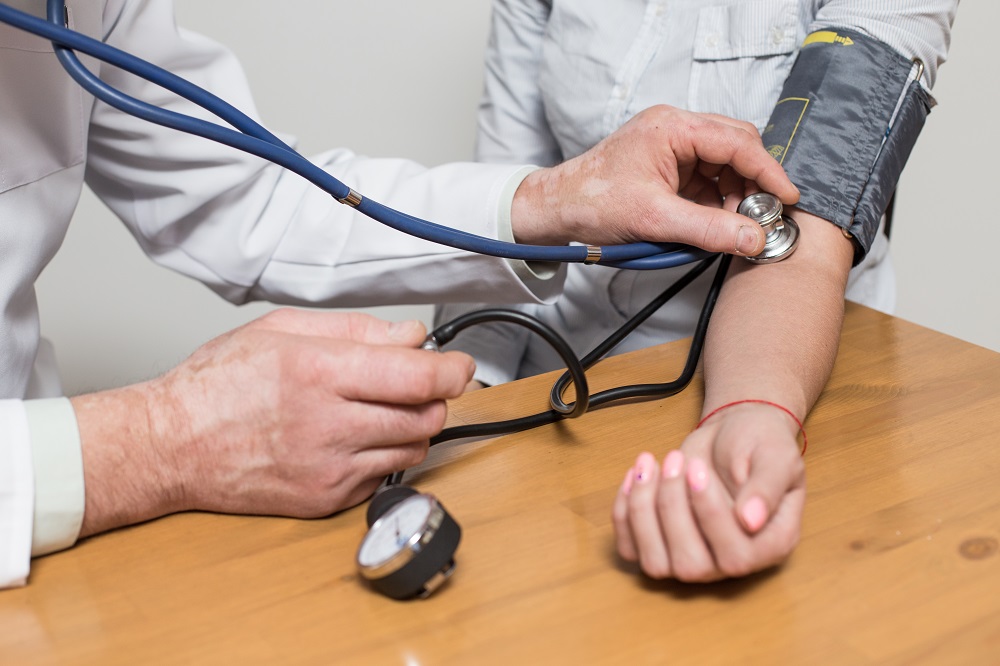
To measure your blood pressure at home correctly, rest quietly for 5 minutes, sit with your back supported and feet flat, wrap a properly sized cuff around your bare upper arm at heart level, stay still and silent, then take two readings one minute apart. Recording both readings helps your provider see the full picture, not just one number.

Why Home Blood Pressure Monitoring Matters

High blood pressure often causes no symptoms at all, so a single reading at your doctor’s office only captures one moment in time. Checking your blood pressure at home between visits gives you and your care team a fuller picture of how your numbers behave day to day, and it helps confirm whether your current treatment plan is actually working.

Choosing the Right Blood Pressure Monitor

For home use, choose an automatic monitor with an upper arm cuff rather than a wrist or fingertip device. Confirm the monitor has been independently validated for clinical accuracy, and make sure the cuff size matches your arm. A cuff that’s too small or too large will throw off your reading.
  • Use an automatic, upper-arm cuff monitor. Wrist and fingertip devices are more sensitive to positioning errors and are generally considered less reliable for home use.
  • Check that your device is on a validated device list. The American Medical Association maintains a free, independently reviewed listing of clinically accurate devices at validatebp.org.
  • Match the cuff to your arm. Most monitors come with a standard cuff, but many also offer small, large, or extra-large sizes. Measure around your bare upper arm and check the manufacturer’s size range before you buy.
  • Bring your monitor to your next appointment so your care team can compare it against an office reading and confirm it’s accurate for you.

Step-by-Step: How to Measure Your Blood Pressure at Home

Prepare 30 minutes ahead by avoiding caffeine, tobacco, and exercise. Empty your bladder, then sit quietly for 5 minutes with your back supported and feet flat. Wrap the cuff around your bare upper arm at heart level, stay still and silent during the reading, and take two readings one minute apart.
  1. Avoid caffeine, tobacco, and exercise for 30 minutes before checking your blood pressure. All three can temporarily raise your reading.
  2. Empty your bladder. A full bladder can also push your numbers up.
  3. Sit quietly and rest for 5 minutes before you begin. Don’t talk, scroll your phone, or watch TV during this time.
  4. Sit correctly: back supported by the chair, feet flat on the floor, legs uncrossed.
  5. Position your arm: remove any clothing covering your upper arm, and rest your bare arm on a flat surface so the cuff sits at heart level.
  6. Wrap the cuff snugly around your bare upper arm, following your monitor’s instructions for placement.
  7. Stay still and silent while the reading is taken. Talking or moving can raise the number.
  8. Take a second reading one minute after the first, and record both readings along with the date and time.
This sequence follows the technique outlined by the Centers for Disease Control and Prevention for accurate self-measured blood pressure readings.

Common Mistakes That Skew Your Reading

Small errors in technique are the most common reason a home reading doesn’t match reality. The American Medical Association points to these as some of the most frequent culprits.
Mistake Effect on Reading
Talking during the reading Can raise systolic pressure
Full bladder Can raise both numbers
Cuff placed over clothing Produces an inaccurate reading
Wrong cuff size Too small raises the reading; too large can lower it
Legs crossed Can raise systolic pressure
Arm not supported at heart level Arm below heart level tends to raise the reading; arm above tends to lower it
Checking right after caffeine or exercise Temporarily raises blood pressure

When and How Often to Check

Take two readings, one minute apart, each time you check, and try to measure at consistent times of day, a practice the American Heart Association recommends for the clearest pattern over time. How often you should check depends on your individual diagnosis and treatment plan, so ask your provider for guidance specific to you rather than following a generic schedule.

Tracking and Sharing Your Readings

Record every reading, both numbers, along with the date and time. A simple paper log or the memory feature built into many monitors both work well; what matters most is consistency. Bring your log, or the monitor itself, to your next appointment so your provider can review the full pattern instead of a single number. Windermere Medical Group patients can also share updates with their care team through the patient portal between visits.

To make this easier, we’ve put together a simple printable blood pressure log you can download and keep next to your monitor.
If you’re managing an ongoing diagnosis, Windermere Medical Group’s hypertension management program can help you build a home monitoring routine that fits your specific treatment plan.

If Your Reading Looks Too High or Too Low

A single high reading isn’t automatically an emergency. According to the American Heart Association, if your blood pressure reads 180/120 or higher, wait 5 minutes and check again. If it’s still that high and you have no other symptoms, contact your care team right away. If you also have chest pain, shortness of breath, numbness, vision changes, or trouble speaking, call 911 immediately rather than waiting.

A reading on the low end paired with dizziness, fainting, or confusion also deserves a call to your provider, even if the number itself doesn’t look alarming.

If you have questions about a pattern of readings, schedule a hypertension management visit to review your blood pressure plan, or connect with your care team through a telehealth visit for chronic condition monitoring.

Frequently Asked Questions (FAQ)

The top number, systolic pressure, measures the force in your arteries when your heart beats. The bottom number, diastolic pressure, measures the pressure between beats when your heart rests. Both numbers matter, and your provider reviews them together, not separately.

Several things can cause this, including the time of day, recent activity, or simply feeling nervous in a clinical setting. Neither reading is automatically wrong. Bringing your home log to your appointment helps your provider compare the two and understand your true pattern.

Yes. Feeling anxious, even about the reading itself, can temporarily raise your blood pressure. This is one reason resting quietly for 5 minutes before you check, and staying calm and still during the reading, makes such a difference in getting an accurate number.

Upper-arm monitors are generally considered more reliable for home use, largely because they are less sensitive to hand position and movement. If you use a wrist monitor, make sure it is on a validated device list and that you follow the positioning instructions closely.

Don’t worry about a missed day, and don’t try to catch up by checking more often than usual. Simply resume your normal routine at your next scheduled time. Consistency over several weeks matters more than any single missed reading.