

Disclaimer: This article is for educational purposes only and does not replace professional medical advice. If you or someone you love is experiencing a mental health emergency, call 988 (Crisis Lifeline) or 911 immediately.
“Can online mental health care really work?”
Over the past few years, telehealth has become a normal part of medical care, including mental health care. Yet many people still question whether a provider can truly understand their concerns through a screen.
According to recent statistics, Georgia ranks second-to-last nationally for mental health care access, creating devastating consequences for residents seeking treatment.
In this landscape, telepsychiatry integrated into primary care settings has emerged as a vital solution to bridging the mental health treatment gap.
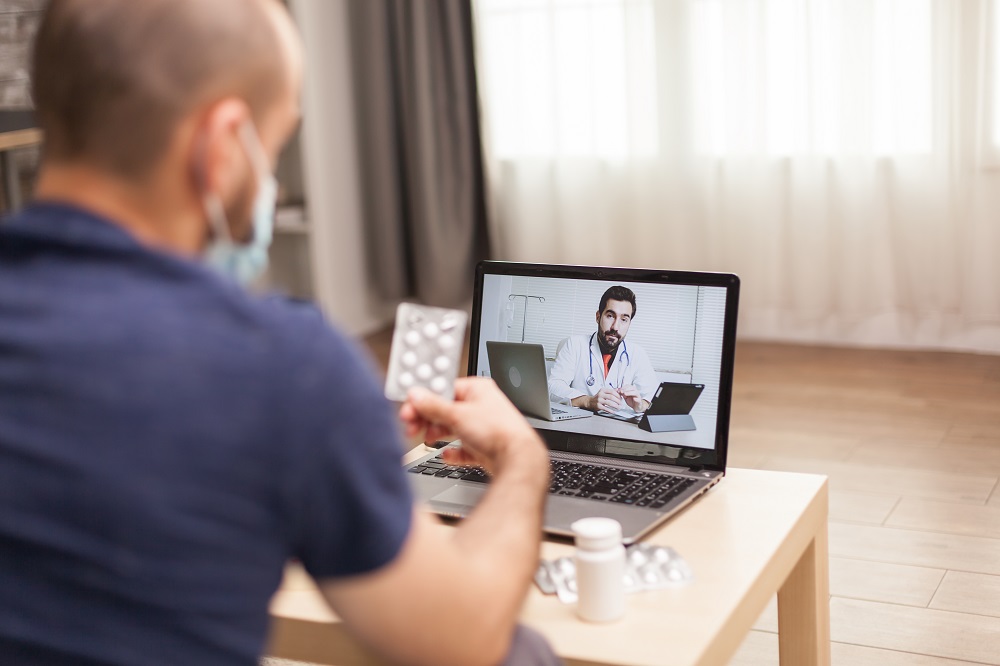
Telepsychiatry allows patients to receive mental health evaluation, follow-up care, and medication management through secure video visits. In Georgia, telepsychiatry delivered within a primary care setting is effective for many common mental health conditions. While telepsychiatry does not replace emergency or complex specialty care, it offers a convenient and reliable option for many patients.
For many patients in Georgia, telepsychiatry offered through primary care has become an accessible, effective way to receive mental health support. Conditions like anxiety, depression, ADHD, mood concerns, and medication follow-ups can be diagnosed from the comfort of your home.
This guide explains telepsychiatry clearly and honestly, from a primary care perspective, so you understand:
Telepsychiatry is a form of telehealth that focuses on mental and emotional health care. Telepsychiatry is not an app or chatbot. It involves connecting with your real healthcare providers who already manage your medical care. Patients can meet with a mental health care provider via a secure video connection instead of visiting a clinic in person.
In a primary care setting, telepsychiatry commonly includes:
The COVID-19 pandemic accelerated what was already an emerging trend in healthcare delivery. Telepsychiatry is the delivery of psychiatric assessment, consultation, and treatment through telecommunications technology. It has transformed from a niche service into a mainstream healthcare modality.
Telepsychiatry didn’t appear overnight. It grew because it solved real-world problems that many patients faced long before virtual care existed.
Common Barriers Telepsychiatry Helps Address
For patients living in suburban or rural areas of Georgia, telepsychiatry can reduce missed appointments and improve continuity of care.
Primary care settings serve as the first point of contact for most individuals seeking mental health support. Approximately 30% of all mental health care takes place in primary care. During virtual visits, providers can:
The Collaborative Care Model (CoCM) represents the gold standard for integrated behavioral health. It consists of:
Psychiatric Consultant: provides caseload-focused consultation via telepsychiatry, reviews treatment plans, and offers recommendations
Telepsychiatry works best for conditions that require ongoing monitoring rather than emergency intervention.
Common Conditions Managed Virtually
| Condition | How Telepsychiatry Helps |
|---|---|
| Anxiety | Symptom monitoring, medication follow-ups |
| Depression | Ongoing check-ins, treatment adjustments |
| ADHD | Medication management, symptom review |
| Mood disorders | Stability monitoring, sleep tracking |
| OCD | Medication follow-ups, referral coordination |
For many patients, telepsychiatry improves consistency, which is critical for mental health care. Telepsychiatry is often a strong option when:
Primary care providers help determine the safest and most effective approach for each patient; however, telepsychiatry is not the right choice for every situation. In-person care may be recommended when:
When it comes to mental health care, privacy isn’t just a preference; it’s a fundamental right and a legal requirement. Understanding how telepsychiatry platforms protect your confidentiality can help you feel confident about choosing virtual mental health care.
Georgia allows telehealth services for mental health care, making it easier for patients to access care without long travel times. The key security and confidentiality rules that telepsychiatry follows are:
At Windermere Medical Group in Georgia, patient privacy and data security are fundamental priorities in every aspect of our telepsychiatry and primary care services. We recognize that seeking mental health care requires courage and trust, and we take our responsibility to protect your confidential information extremely seriously.
Telepsychiatry has changed how people access mental health care, making it more flexible, accessible, and consistent. When delivered through primary care, telepsychiatry offers a balanced approach that combines medical oversight with convenience.
Telepsychiatry integrated into primary care isn’t just the future of mental healthcare in Georgia; it’s empowering.
Yes. Many patients successfully manage mental health conditions through telepsychiatry.
Yes. Many common conditions are managed through primary care telepsychiatry.
Yes. Generally, most insurance companies cover telepsychiatry. Please contact your provider for more information.
Yes. Psychiatrists can electronically prescribe most medications through telepsychiatry. The guidelines vary by state-specific rules and requirements for patient evaluation.
Absolutely. Telepsychiatry offers secure platforms to protect your privacy and mental health information.
As stated by researchers, telepsychiatry is itself a revolutionary, helpful way to prioritize mental health. It can not replace in-person care; it complements in-person visits.
Yes, telepsychiatry services are available across Georgia. Check our website or visit your nearest Windermere Medical clinic near you in Georgia to know more.
Attending a telepsychiatry appointment requires a smartphone, tablet, or computer with a camera, microphone, and a stable internet connection.

Dr. Priya Bayyapureddy, MD is a board certified Internal Medicine doctor with over 20 years of experience in primary care Internal Medicine. Dr. Bayyapureddy completed her Internal Medicine residency at Emory University School of Medicine and internship at University of Tennessee College of Medicine at Chattanooga.

Recent Post
Stay informed and be among the first to know
when appointments become available.