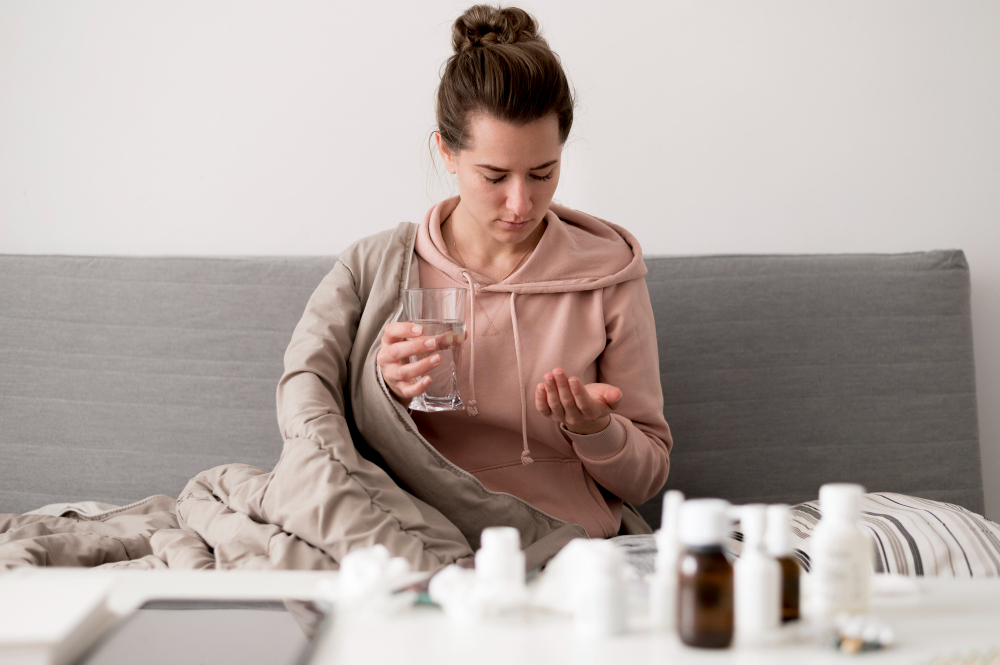
Bringing a new baby into the world is a life-changing experience filled with joy, but also emotional and physical challenges. For many women, the postpartum period can bring feelings of sadness, anxiety, or emotional overwhelm that go beyond typical “baby blues.” Postpartum Depression (PPD) affects nearly 1 in 7 new mothers. Fortunately, with proper postpartum depression medication, therapy, and emotional support, recovery is entirely possible. Understanding which treatments are safe for new moms, especially those who are breastfeeding, is key to ensuring both maternal and baby health.
Understanding Postpartum Depression (PPD)
Postpartum depression is more than temporary sadness—it’s a serious, yet treatable, mood disorder that develops within weeks or months after childbirth.
Hormonal changes after birth—sudden drops in estrogen and progesterone can impact brain chemistry.
Emotional stress—new responsibilities, lack of sleep, and social pressure.
Family or personal history of depression or anxiety.
Safe and Effective Medications for Postpartum Depression
When symptoms are moderate to severe, medication can be an essential part of recovery. Several antidepressants are considered safe and effective for postpartum depression treatment, even during breastfeeding.
SSRIs (Selective Serotonin Reuptake Inhibitors)
SSRIs are the most common postpartum depression medications, known for their effectiveness and safety profile.
Sertraline (Zoloft) – Often the first choice; considered the safest during breastfeeding.
Escitalopram (Lexapro) – Effective with minimal side effects.
Fluoxetine (Prozac) – Long-lasting relief for moderate to severe depression.
SSRIs work by increasing serotonin—a neurotransmitter that regulates mood, energy, and sleep—leading to gradual mood stabilization over a few weeks.
and convenient Same Day Clinic and Virtual Clinic options. Our providers deliver ongoing medical care for children, adults, and seniors, including preventive visits, annual physical exams, chronic disease management, Medicare-supported visits, psychiatric services, and more.
We are committed to accessible, relationship-based healthcare and are currently accepting new patients across all locations. Looking for a trusted medical provider near you? Schedule your appointment today and experience care designed around your needs, in person or online.
Many new moms experience postpartum anxiety alongside depression, driven by fluctuating hormones and overwhelming responsibility.
Tips to Manage Anxiety Naturally
Maintain a consistent sleep schedule when possible.
Eat balanced meals rich in omega-3s and B vitamins.
Practice mindfulness or light physical activity.
Seek emotional support from family or professionals.
In cases of severe anxiety, doctors may prescribe low-dose anti-anxiety medications compatible with breastfeeding under supervision.
Conclusion
Postpartum depression is a medical condition—not a sign of weakness. With the right combination of safe medications, therapy, and emotional support, recovery is within reach for every new mom. Modern treatments like SSRIs, Zuranolone, and personalized therapy options are transforming postpartum care, helping mothers regain balance and emotional well-being while nurturing their newborns. If you or someone you love is struggling after childbirth, reaching out for help is the first and most powerful step toward healing.
You will receive a text from an “882-86″ short phone number inviting you to a video call, when your provider is ready for start your visit. (Please make sure our office has your correct and update phone number, because link will be sent to that phone number.)
Tap on the link in the text message, there is no need for you to download the app.
Tap on the blue ‘Join Visit’ button
In order to join your video call, you must grant your smartphone browser access to your camera and microphone.