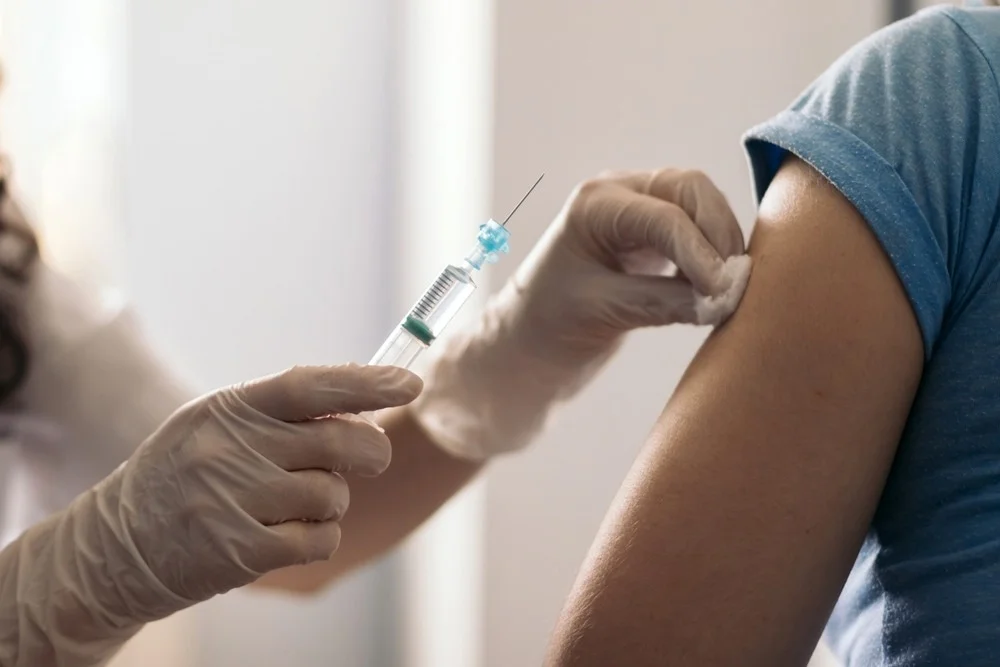
Low testosterone can affect energy, mood, muscle mass, and overall confidence. As awareness of men’s hormone health grows, more men are turning to testosterone medication and TRT therapy to restore vitality and balance. However, using testosterone safely requires medical supervision, proper dosing, and ongoing monitoring. This guide explains how to use testosterone replacement therapy (TRT) responsibly and effectively to maximize results while minimizing risks.
Understanding Testosterone and Its Role in Men's Health
Testosterone plays a crucial role in men’s health. It contributes to energy, libido, muscle mass, and even mental clarity. Symptoms of low testosterone (Low T) often include fatigue, decreased libido, and mood swings. Accurate hormone testing is the first step before starting any low testosterone treatment, as it establishes a baseline and helps tailor the appropriate therapy.
and convenient Same Day Clinic and Virtual Clinic options. Our providers deliver ongoing medical care for children, adults, and seniors, including preventive visits, annual physical exams, chronic disease management, Medicare-supported visits, psychiatric services, and more.
We are committed to accessible, relationship-based healthcare and are currently accepting new patients across all locations. Looking for a trusted medical provider near you? Schedule your appointment today and experience care designed around your needs, in person or online.
Regular monitoring is essential to optimize TRT therapy:
Your doctor evaluates hormone levels and symptoms.
Bloodwork is pivotal in adjusting TRT dosage.
Watch for signs like mood swings, high hematocrit, or changes in libido which may indicate a need for therapy adjustment.
To ensure optimal care, visit professionals such asDr. Bhumi Purohit.
Conclusion
When used responsibly, testosterone medication can transform men’s health—restoring energy, focus, and vitality. The key is medical guidance, consistency, and lifestyle balance. With the right approach, TRT therapy in 2025 offers men a safe, effective path to renewed strength and hormone balance.
You will receive a text from an “882-86″ short phone number inviting you to a video call, when your provider is ready for start your visit. (Please make sure our office has your correct and update phone number, because link will be sent to that phone number.)
Tap on the link in the text message, there is no need for you to download the app.
Tap on the blue ‘Join Visit’ button
In order to join your video call, you must grant your smartphone browser access to your camera and microphone.